


Description
Description for Thai basil
Thai basil is a type of basil native to Southeast Asia that has been cultivated to provide distinctive traits.
Planting and care
If you make a mistake, cut the stem all the way back to the next set of leaves. Unless, you are growing Thai basil as an ornamental, cut the flower off several days before harvest so the plant can focus all its energy on the leaves. When you harvest your growing Thai basil plant, take it down to about 6 inches.
Caring for Thai basil
- If you make a mistake, cut the stem all the way back to the next set of leaves.
- Unless, you are growing Thai basil as an ornamental, cut the flower off several days before harvest so the plant can focus all its energy on the leaves.
- When you harvest your growing Thai basil plant, take it down to about 6 inches.
Typical uses of Thai basil
Special features: As a seasoning herb in many vegetable and meat dishes, or as a key ingredient of pesto and other condiments.
Culinary use: Thai basil is usually used fresh, preferably soon after harvesting, but you can also chop it up or run it through a food processor and freeze in ice cube trays. Once frozen, remove from the tray and store in resealable bags in the freezer for up to two months.
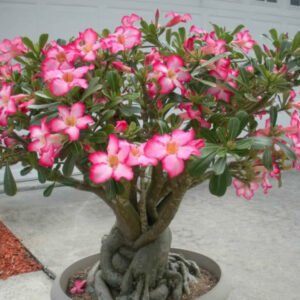
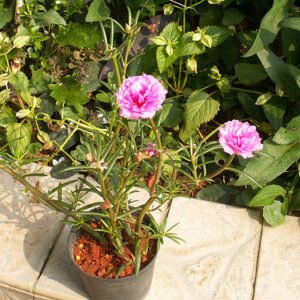
Ornamental use: The plant is used for ornamental purpose. Its generally kep indoor in living room and in terrac area.
Medicinal use:
- Healing: Sharpen memory, use as a nerve tonic, and remove phlegm from your bronchial tubes.
- Repeat up to once an hour. Leaves can strengthen the stomach and induce perfuse sweating.
- The seeds can be used to rid the body of excess mucus.
- Fevers: Basil leaves are used for quenching fevers, especially those related to malaria and other infectious, eruptive fevers common to tropical areas.
- Boiling leaves with some cardamom in about two quarts of water, then mixed with sugar and milk, brings down temperature.
- An extract of basil leaves in fresh water should be given every 2 to 3 hours; between doses you can give sips of cold water.
- Coughs: Basil is an important ingredient in cough syrups and expectorants. It can also relieve mucus in asthma and bronchitis. Chewing on basil leaves can relieve colds and flu symptoms.
- Sore Throat: Water boiled with basil leaves can be taken as a tonic or used as a gargle when you have a sore throat.
- Respiratory Disorders: Boiling basil leaves with honey and ginger is useful for treating asthma, bronchitis, cough, cold, and influenza.
- Boiling the leaves, cloves, and sea salt in some water will give rapid relief of influenza.
- These combinations should be boiled in about two quarts of water until only half the water remains before they are taken.
Note: The following information is general guidelines. Be sure to ask your healthcare provider for guidelines.
Delivery: With in one day
Any questions, feel free contact us:


Reviews
There are no reviews yet.